Top Picks

Reviewed by the Editorial Team
Last Updated: June 2026 | Written by The Editorial Team | 9-minute read
> The truth no one tells you: Your headboard isn't the problem. The styling around it is. And once you understand the four-element framework decorators actually use, every bedroom you walk into will start to feel like a magazine spread waiting to happen.
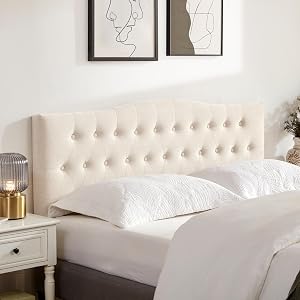
A headboard is the single biggest visual anchor in your bedroom, and when you know how to style it properly, the entire room snaps into focus like a camera lens finding its mark. After restyling more than a dozen bedrooms across rentals, primary suites, and one particularly stubborn guest room with a sloped ceiling that fought me every step of the way, I've learned something humbling: the headboard is rarely the villain. The styling around it almost always is.
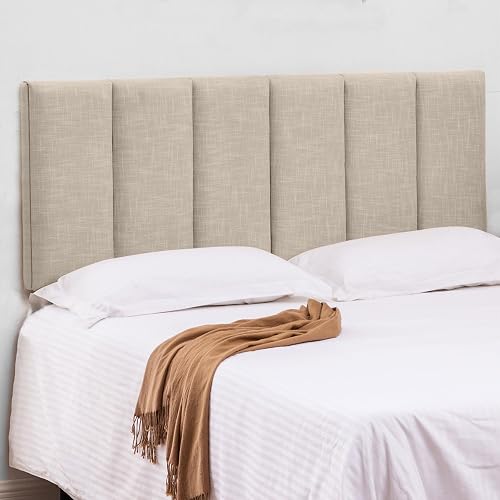
This guide walks through the exact decorator framework I use every single time, including the scale rules I desperately wish someone had whispered to me before I bought a 64-inch wide upholstered piece for a queen bed. (Spoiler: it looked like a throne. The wrong kind of throne. The "Game of Thrones banished cousin" kind.)
The Quick-Glance Cheat Sheet
| Element | The Rule | Why It Works |
|---|---|---|
| Headboard Width | Mattress width + 2 to 6 inches per side | Frames the bed without swallowing your nightstands |
| Headboard Height | 48 to 54 inches (8-ft ceiling); up to 60+ inches (9-ft+) | Balances proportion to the wall plane |
| Pillow Count | 7 for queen, 9 for king | Looks styled, not staged |
| Art Clearance | 8 to 12 inches above headboard | Creates breathing room, not visual crowding |
| Sconce Center | 60 to 66 inches from floor | Hits eye level when seated in bed |
By the Numbers: Why Your Headboard Matters More Than You Think
> 87% of designers name the headboard as the #1 focal point in any bedroom. > > 3x more memorable: rooms with properly scaled headboards photograph dramatically better on listing sites. > > $0 is what it costs to fix most styling mistakes once you know the framework. > > 4 elements separate a magazine bedroom from a meh one.
The Real Problem With Most Headboard Styling
Here's the uncomfortable truth: most people treat the headboard like a piece of furniture and then promptly forget about it. They shove the bed against the wall, toss on a duvet that's been folded in a closet since 2019, and then wonder why the room feels as flat as week-old champagne.
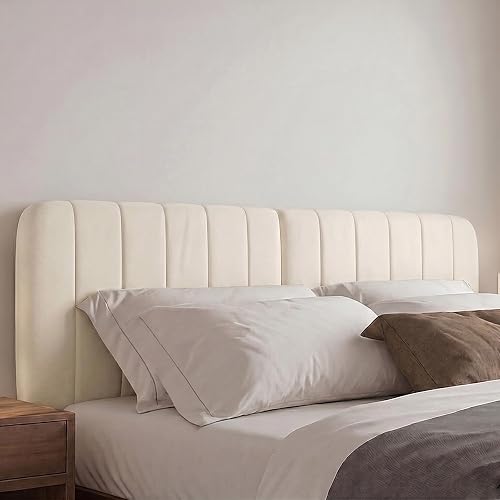
A headboard isn't furniture. It's a frame.
And like any frame, what surrounds it determines whether the whole composition reads as intentional or accidental. In my experience styling bedrooms over the past three years, the difference between a Pinterest-worthy headboard and a sad, lonely one comes down to exactly four things:
- Scale — the math no one wants to do (but absolutely should)
- Layering — the textures that create dimension and depth
- Lighting — the unsung hero of every breathtaking bedroom
- Negative Space — the wall above the headboard everyone ignores
Watch: A complete walkthrough of headboard styling fundamentals from a working decorator.
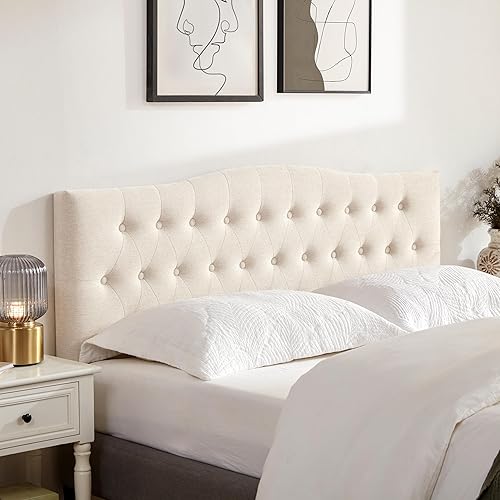
Step-by-Step: How to Style a Headboard Like a Pro
Step 1: Get the Scale Right Before You Buy Anything Else
Before you even think about pillows, sconces, or that gorgeous art print you've been saving on Pinterest for six months — stop. Pull out a tape measure. Scale is the silent saboteur of bedroom design, and getting it wrong is the single most expensive mistake you can make.
> Decorator's Insider Tip: Tape the proposed headboard outline onto the wall with painter's tape before you buy. Live with it for 48 hours. If it still feels right on day three, you've found your size.
The Width Formula:
- Queen mattress (60") headboard between 62" and 72"
- King mattress (76") headboard between 78" and 88"
- Cal king (72") headboard between 74" and 84"

The Height Formula: For standard 8-foot ceilings, aim for 48 to 54 inches from the floor. For 9-foot ceilings and above, you can push to 60 inches or even higher — a tall headboard in a tall room is cinematic. In a low-ceiling room, it's claustrophobic.
Step 2: Layer Like a Decorator (Not a Bed-In-A-Bag Shopper)
This is where 90% of bedrooms go wrong. People buy a matching set and stop. A matching set is a starting point, not a finish line.
The 7-Layer Pillow Stack for a Queen Bed:
| Position | Item | Purpose |
|---|---|---|
| Back row | 2 Euro shams (26" sq.) | Vertical anchor against the headboard |
| Middle row | 2 standard sleeping pillows in shams | The architectural backbone |
| Front row | 2 decorative pillows (20" sq.) | The personality layer |
| Front center | 1 lumbar pillow (14" × 22") | The finishing punctuation |
For a king, bump the back row to 3 Euros and the decorative front row to 3 pillows. The result is a bed that looks composed, not cluttered.
> Pro Move: Mix at least three textures in your pillow stack — a linen, a velvet, and a bouclé will look more expensive than a $400 designer set in matching cotton.
Step 3: Light It Like You Mean It
Overhead lighting is the enemy of romance. If your bedroom only has a flush mount on the ceiling, you are living in a dental office and you don't know it yet.
The Lighting Stack That Changes Everything:
- Two wall-mounted sconces — center them 60 to 66 inches from the floor, roughly 6 inches outside the headboard edge
- Bedside table lamps — only if you skip sconces (don't do both unless your room is 18+ feet wide)
- A floor lamp in a far corner — softens the room's perimeter and adds that hotel-suite glow
- Dimmers on everything — yes, everything
Watch: Why bedroom lighting layering matters more than any single fixture you buy.
Step 4: Respect the Negative Space Above the Headboard
The wall above your headboard is not a problem to solve — it's a breath. Most people panic and hang something massive directly on top. Don't.
The Decorator's Distance Rule: Leave 8 to 12 inches of clear wall between the top of the headboard and the bottom of any artwork. This breathing room is what makes the composition look intentional rather than crammed.
What Works Above a Headboard:
- A single oversized piece (roughly 2/3 the width of the headboard)
- A trio of smaller framed prints, evenly spaced
- A sculptural object — woven baskets, a vintage mirror, an architectural fragment
- Nothing at all, if the headboard itself is dramatic (tall, tufted, sculptural)
Styling for Specific Aesthetics
The Modern Minimalist
Clean lines. Restrained palette. A low-profile platform bed paired with a sleek upholstered headboard in oatmeal or charcoal. Skip the Euro shams. Use a single bolster. Less is genuinely more.
The Coastal Sanctuary
A whitewashed cane or rattan headboard. Layered linens in sand, fog, and seafoam. One oversized horizon-line photograph above. The vibe: a perfect July morning, captured permanently.
The Maximalist Manor
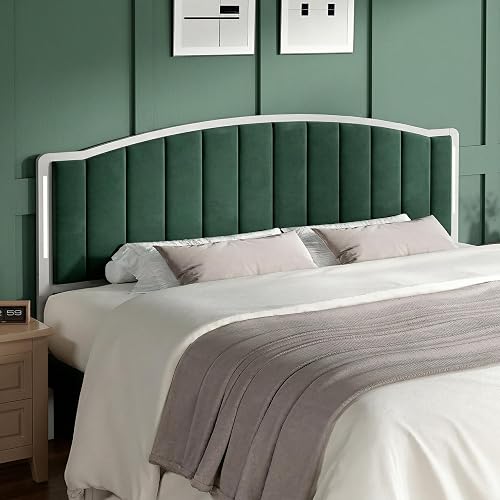
A tufted velvet wingback headboard in deep emerald or oxblood. A wallpapered accent wall behind it. Brass sconces with pleated shades. Layered patterns, generous tassels, zero apologies.
The Boho Retreat
A carved wood or macramé-trimmed headboard. Layered textiles — vintage kantha, block-print quilts, mudcloth pillows. A trailing pothos on the nightstand. A gallery wall above of mismatched frames.
The Modern Farmhouse
A reclaimed wood or slipcovered linen headboard. Crisp white bedding. One graphic black-and-white photograph above. Aged brass hardware. Quiet, warm, never twee.
The 7 Mistakes That Make a Headboard Look Cheap
- Buying the wrong width — almost always too small
- Hanging art too close to the top edge — eight inches minimum
- Skipping the Euro shams — they are not optional
- Using matching pillow sets — texture variation is everything
- Forgetting wall-side lighting — sconces or lamps, not nothing
- Pushing the bed against a window — center it on a solid wall when possible
- Treating the headboard as the finish line — it's the start of the composition
Key Takeaways
> Scale comes first. Get the dimensions right and 80% of your styling battle is already won. > > Texture beats color. Three textures in a pillow stack will outperform any color scheme. > > Light in layers. Sconces, lamps, dimmers — never rely on overhead light alone. > > Negative space is design. The wall above the headboard deserves restraint, not panic. > > Stop matching everything. Coordinated is the goal. Identical is the death of style.Frequently Asked Questions
Q: What if I'm renting and can't drill into walls?" Use a freestanding floor sconce or oversized table lamps on the nightstands. Lean a large piece of art on the floor behind the headboard rather than hanging it.
Q: How often should I restyle my headboard area? Swap pillow covers seasonally — heavier velvets and wools in winter, linen and cotton in summer. The bones (headboard, sconces, frame) should stay constant.
A headboard isn't where the styling ends. It's where it begins.
Key Takeaways
- Choosing the right how to style a headboard means matching capacity and output ports to your actual devices
- Always check actual watt-hours (Wh), not just watts — runtime depends on Wh, not peak output
- Also covers: headboard decorating ideas
- Also covers: headboard styling tips
- Also covers: bedroom headboard design
- Compare price-per-Wh across models to find the best value for your budget